Classes › Self Defence
Self Defence class
Self Defence
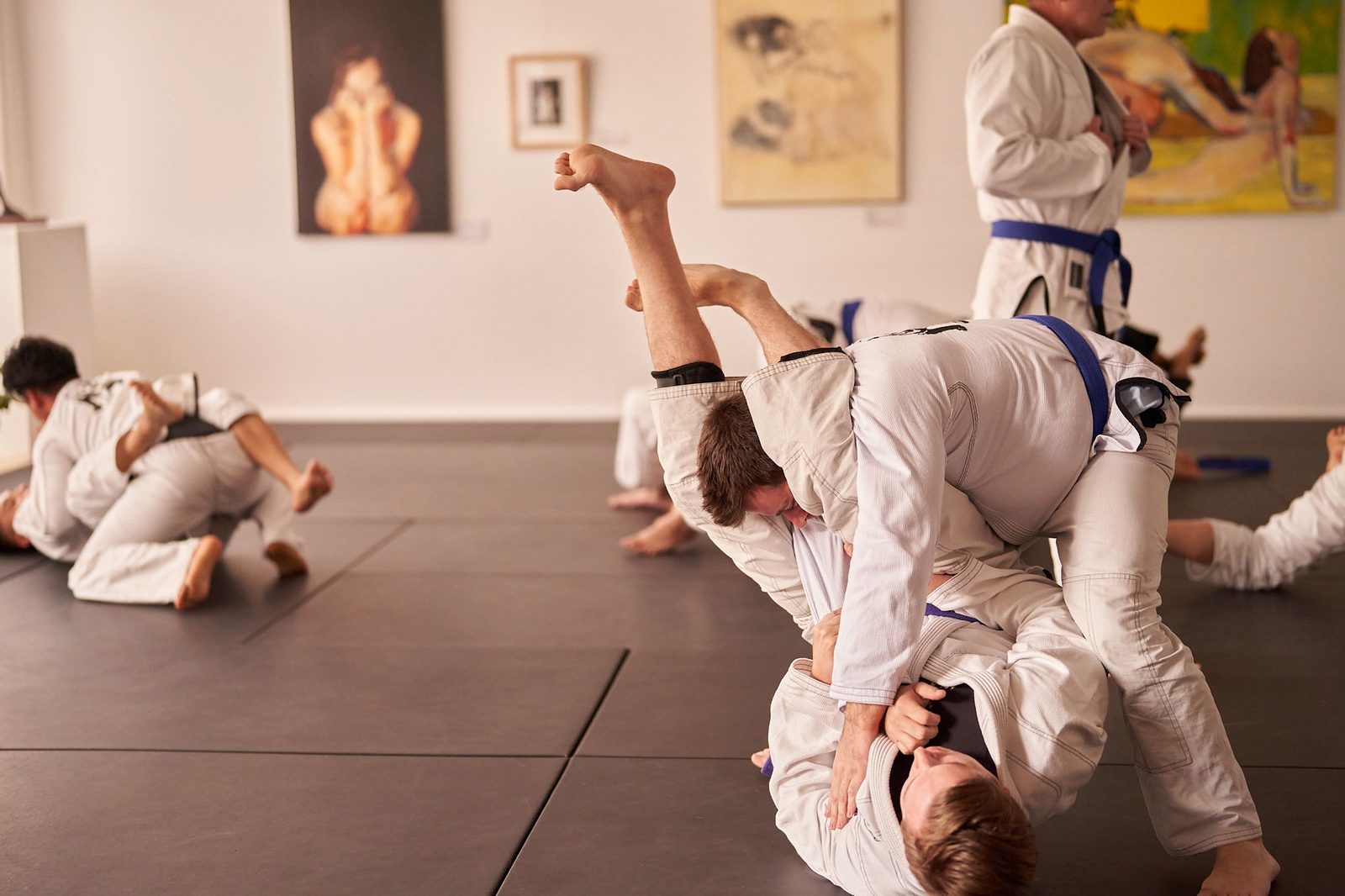
What to do when somebody grabs you and it is not a drill. Taught slowly, with a partner, by somebody who taught it in the Army.
The class
Practical readiness
Most self-defence goes wrong in the first two seconds, when somebody freezes. So the class spends its time on the things that are still available to you when you are startled and close up: your balance, your grips, and where to put your weight.
Nothing here depends on being the strongest person in the room. If it did, it would be no use to most of the people who need it.
Fitness
You get fitter by doing it. Nothing is tested on you on day one.
Composure
Practising something calmly, often, is what makes it available to you when you are not calm.
Confidence
The quiet kind, that comes from having actually done it with a partner rather than been told about it.
Schedule
Training times
| Day | Time | Class |
|---|---|---|
| Friday | 4:00–5:00pm | Self Defence |
| Saturday | 10:30–11:15am | Self Defence |
Classes are capped at twelve and registration in advance is required — Rogue does not take walk-ins. See the full timetable.
Coaching
Where the coaching comes from
The coaching at Rogue draws on Brazilian Jiu-Jitsu, unarmed combat and wrestling. That mix is what makes the Self Defence class practical rather than theoretical: you learn what to do when the situation does not look like the drill.
Mike Armstrong spent twenty-three years in the Australian Army, retiring as a Major, and was a senior instructor on its combatives courses — teaching unarmed skills to Defence members and allied forces. He has taught martial arts since 1992.
Take the first step
Your first week is free
Your first week at Rogue is free, and the Saturday morning Self Defence session is one of the nine sessions in it.